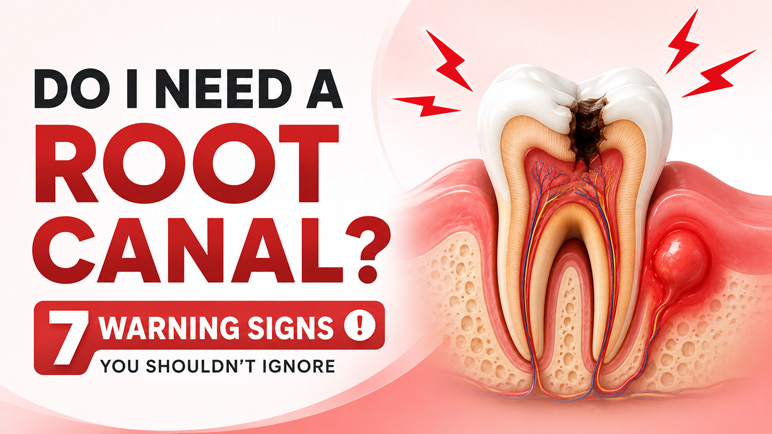
Many people hear the words “root canal” and immediately think of pain or a complicated dental procedure. However, modern root canal treatment is designed to eliminate infection, relieve discomfort, and save your natural tooth whenever possible. Unfortunately, many patients ignore early symptoms until the pain becomes severe. Recognizing the warning signs early can help prevent complications and reduce the risk of tooth loss. At Saigon Center Dental Clinic, root canal treatment is one of the most effective solutions for treating infected or damaged teeth. Understanding the symptoms can help you seek professional care before the problem worsens. In this article, we’ll discuss seven common warning signs that may indicate you need a root canal and explain why prompt treatment is essential for maintaining your oral health.
What Is a root canal and why is it needed?
A root canal is a dental procedure used to treat infection or inflammation inside a tooth. Beneath the hard outer layers of enamel and dentin lies the dental pulp, which contains nerves, blood vessels, and connective tissue. When bacteria enter the pulp through deep decay, cracks, fractures, or trauma, the tissue can become infected or damaged. Without treatment, the infection may spread to surrounding tissues and eventually lead to tooth loss.
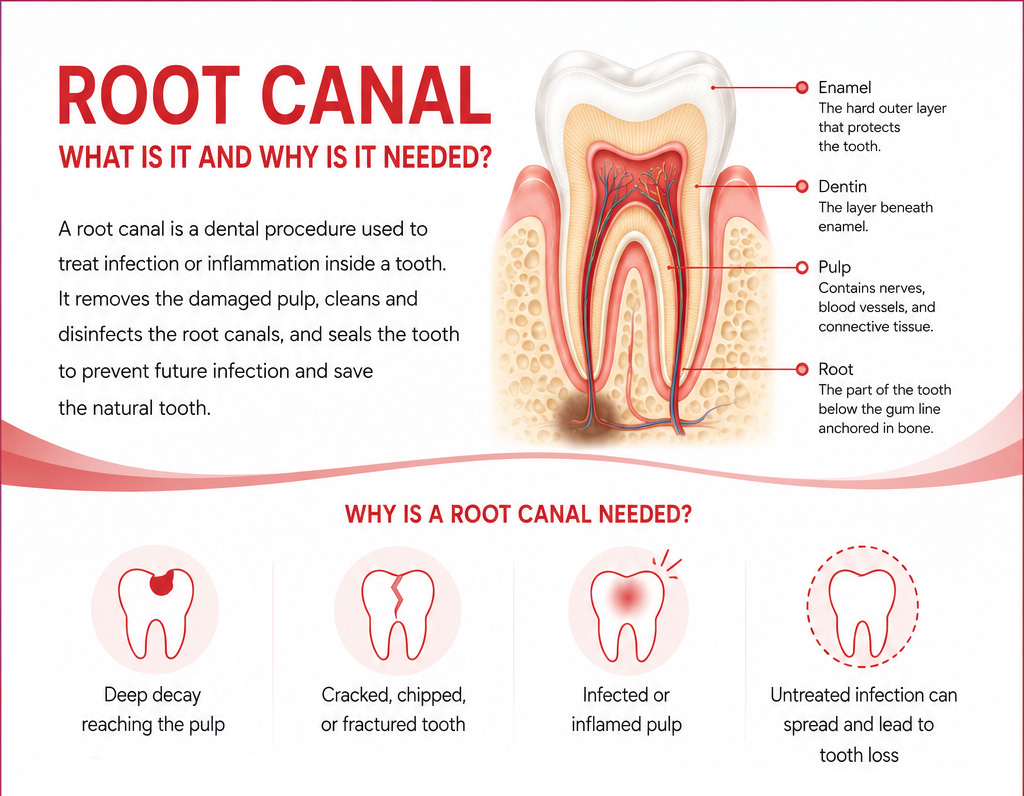
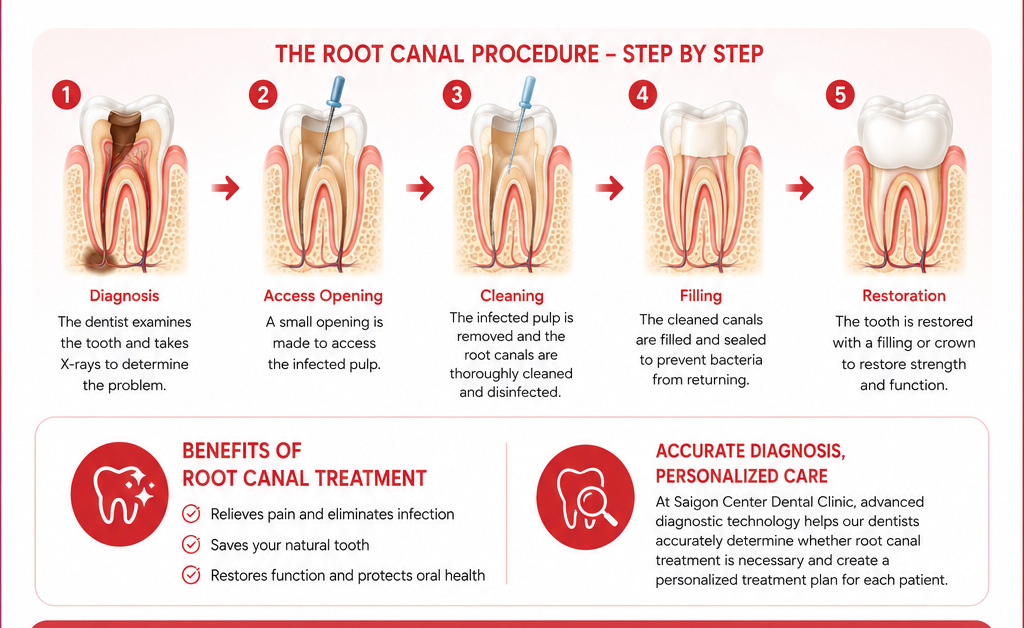
Root canal treatment involves removing the infected pulp, thoroughly cleaning and disinfecting the root canals, and sealing the tooth to prevent future infection. At Saigon Center Dental Clinic, advanced diagnostic technology helps dentists accurately determine whether root canal treatment is necessary and create a personalized treatment plan for each patient.
1. Persistent tooth pain
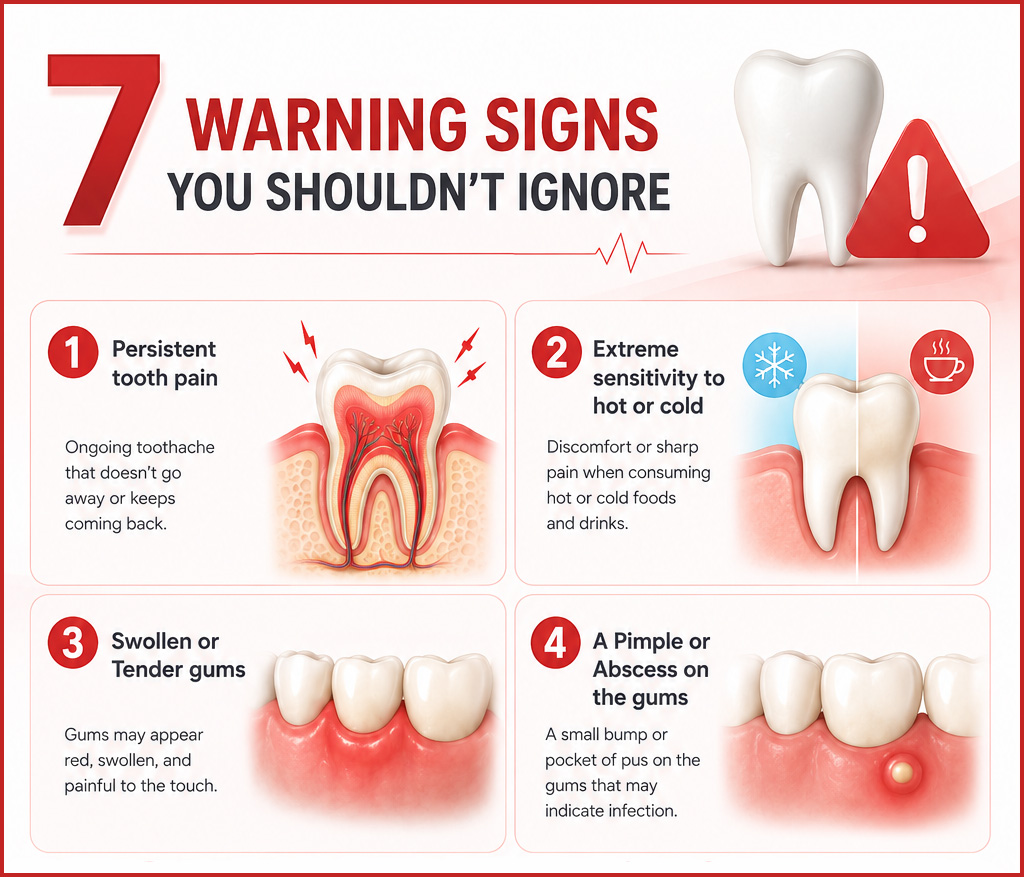
One of the most common signs you may need a root canal is persistent tooth pain. This pain may come and go, or it may stay constant throughout the day. It is often more noticeable when chewing, biting, or applying pressure to the tooth.
The pain can feel sharp, throbbing, or deep inside the jaw. Sometimes it spreads to the face, ear, or surrounding teeth, which makes it difficult to identify the exact source. If tooth pain does not go away or keeps returning, it should never be ignored.
Temporary sensitivity or mild discomfort may not always mean a serious problem, but ongoing pain is a strong warning sign that something deeper may be wrong.
2. Extreme sensitivity to hot or cold
Another common root canal symptom is extreme sensitivity to hot or cold foods and drinks. It is normal to feel brief sensitivity from time to time, especially if you have enamel wear or minor gum recession. However, when the sensitivity lingers long after the hot or cold stimulus is gone, it may signal nerve damage or pulp inflammation.
For example, if sipping hot coffee or drinking cold water causes intense pain that lasts for several seconds or longer, the tooth may be infected or irritated internally. This kind of lingering sensitivity is different from ordinary tooth sensitivity and should be evaluated by a dentist.
3. Swollen or Tender gums
Swollen or tender gums near one tooth can also point to a deeper dental issue. If the gum tissue around a specific tooth becomes red, puffy, or sore to the touch, it may be a sign that infection is building beneath the surface.
In some cases, the swelling may be mild. In others, it may become more noticeable and uncomfortable. The area may also feel warm or painful when you brush or floss.
Localized gum swelling near a single tooth often suggests that the problem is not just in the gums themselves but may be coming from inside the tooth or the root area. At Saigon Center Dental Clinic, dentists frequently diagnose root infections in patients who initially believed they were experiencing only minor gum irritation.
4. A Pimple or Abscess on the gums
A small bump or pimple on the gums, especially near a painful tooth, is another important warning sign. This bump is often called a dental abscess or gum boil. It may appear to contain pus and can sometimes drain fluid with a bad taste or odor.
An abscess usually means there is an infection inside the tooth or around the root. While the draining may temporarily reduce pressure, it does not solve the underlying problem. The infection is still present and may continue to spread if not treated.
This is one of the clearest signs that you need prompt dental care. An untreated abscess can lead to more serious health complications, so it should be examined as soon as possible.
Prompt treatment at Saigon Center Dental Clinic can help eliminate the infection, relieve discomfort, and improve the chances of preserving your natural tooth.
5. Tooth discoloration
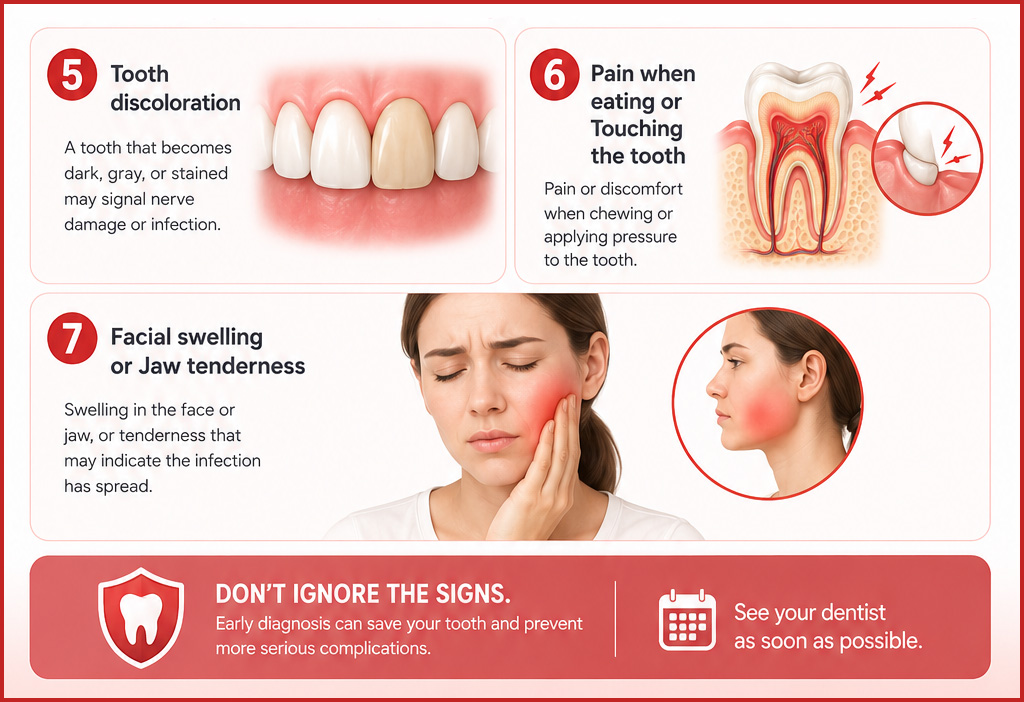
If one tooth starts turning gray, dark yellow, or brown while the surrounding teeth stay the same color, it may be a sign of internal damage. Tooth discoloration can happen when the pulp inside the tooth is no longer healthy.
This occurs because the nerve and blood supply inside the tooth may be dying or already dead. As the internal tissue breaks down, the tooth can change color from within. Unlike surface stains from coffee or smoking, this type of discoloration usually affects one tooth and may continue to worsen over time.
A darkened tooth does not always mean a root canal is necessary, but it is definitely a symptom that should be checked by a dentist.
6. Pain when eating or Touching the tooth
Pain when chewing or even gently touching a tooth can also be a sign of root canal problems. If a tooth hurts when you bite down, the pulp or the tissues around the root may be inflamed or infected.
You may notice that certain foods are harder to chew on one side of your mouth, or that tapping the tooth causes discomfort. This pressure-related pain is often a clue that the tooth is not healthy inside.
Sometimes people assume they simply “bit something wrong,” but if the pain continues for more than a day or two, or gets worse, it may indicate a deeper infection that needs treatment.
7. Facial swelling or Jaw tenderness
Facial swelling or tenderness in the jaw is a more serious warning sign that infection may be spreading. When a tooth infection moves beyond the tooth itself, it can affect the surrounding soft tissues and cause visible swelling in the cheek, jaw, or face.
You may also feel tenderness when opening your mouth, chewing, or pressing on the area. In some cases, the swelling can be accompanied by fever, bad breath, or a general feeling of being unwell.
This symptom should not be delayed. If swelling develops, especially with pain or fever, it is important to seek dental care quickly because the infection may be advancing.
What happens if you ignore these symptoms?
Ignoring the signs of a potential root infection can have serious consequences. What begins as mild discomfort can eventually develop into severe pain, extensive infection, bone loss, and even tooth loss. In advanced cases, dental infections may spread beyond the mouth and affect overall health.
Many patients who delay treatment ultimately require more complex and costly procedures.
The dental team at Saigon Center Dental Clinic emphasizes the importance of early diagnosis because prompt intervention often allows patients to save their natural teeth while avoiding unnecessary complications.
What to expect during a root canal procedure?
Many people are surprised to learn that modern root canal treatment is typically no more uncomfortable than receiving a dental filling. The procedure begins with a thorough examination and digital X-rays to assess the extent of the infection. After numbing the area with local anesthesia, the dentist removes the infected pulp, carefully cleans and disinfects the root canals, and then seals them to prevent future infection. Depending on the condition of the tooth, a dental crown may be recommended to restore its strength, function, and appearance.
At Saigon Center Dental Clinic, advanced technology and modern treatment techniques help ensure a comfortable experience while supporting long-term oral health and successful treatment outcomes. This is our root canal treatment cost at Saigon Center Dental Clinic:
| TREATMENT | PRICE IN USD | NOTE |
| Anterior Teeth (#1, #2, #3) + Fiber Post + Final Restoration | $160 | per tooth |
| Premolars (#4, #5) + Fiber Post + Final Restoration | $200 | per tooth |
| Molars (#6, #7) + Fiber Post + Final Restoration | $240 | per tooth |
Are root canals painful?
One of the most common misconceptions about root canal treatment is that it is painful.
In reality, the procedure is performed to relieve pain caused by infection. Thanks to modern anesthetics and advanced dental technology, most patients report feeling comfortable during treatment.
In many cases, patients experience immediate relief once the infected tissue is removed.
Any mild soreness afterward is usually temporary and significantly less severe than the pain caused by an untreated dental infection.
Why choose Saigon Center Dental Clinic for Root canal treatment?
When it comes to treating an infected tooth, choosing an experienced dental provider can make a significant difference in both comfort and treatment outcomes.
At Saigon Center Dental Clinic, patients benefit from:
- Experienced dentists trained in advanced endodontic procedures.
- Modern diagnostic technology for accurate treatment planning.
- Patient-focused care designed to minimize discomfort.
- Comprehensive restorative solutions, including dental crowns after root canal treatment.
- Personalized treatment plans tailored to each patient’s oral health needs.
Whether you’re experiencing persistent tooth pain, sensitivity, or signs of infection, the team at Saigon Center Dental Clinic can help determine the most appropriate course of treatment and work to preserve your natural smile whenever possible.
When should you see a dentist?
You should schedule a dental evaluation as soon as possible if you experience persistent tooth pain, lingering sensitivity, swelling, or any of the symptoms discussed above. Early intervention can often prevent further complications and increase the likelihood of saving the affected tooth.
At Saigon Center Dental Clinic, patients receive comprehensive examinations and customized treatment recommendations based on their individual needs. A timely diagnosis can make the difference between a manageable procedure and a more complex dental problem.
Conclusion
Knowing the warning signs of an infected tooth can help you take action before the condition becomes more serious. Persistent pain, prolonged sensitivity, gum swelling, abscesses, tooth discoloration, discomfort while chewing, and facial swelling may all indicate the need for root canal treatment.
Fortunately, modern root canal therapy is a safe and effective way to eliminate infection, relieve pain, and preserve your natural tooth. If you’re experiencing any of these symptoms, don’t wait for the problem to worsen.
Contact Saigon Center Dental Clinic today to schedule a professional dental evaluation and learn about the best treatment options for restoring your oral health and protecting your smile for years to come.